
Controversy Surrounding Noah Schnapp’s Support for Canada
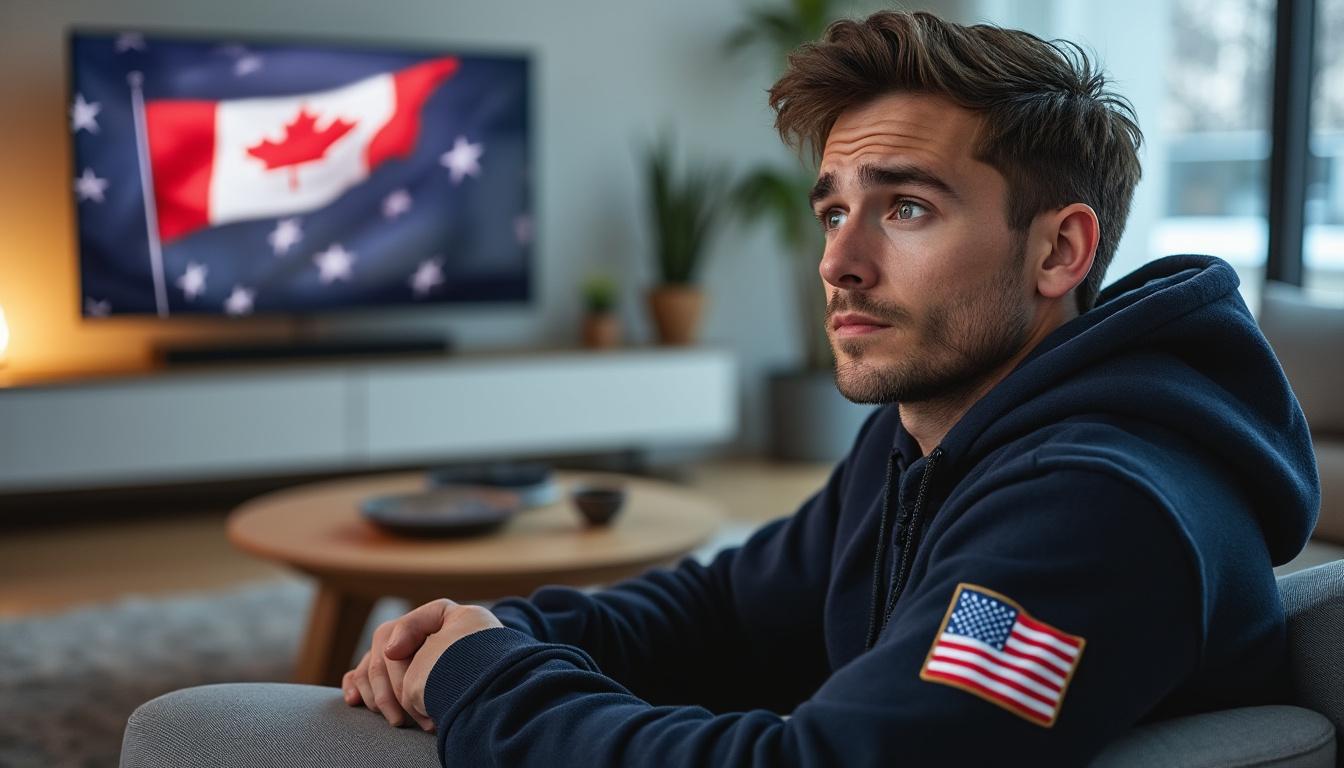
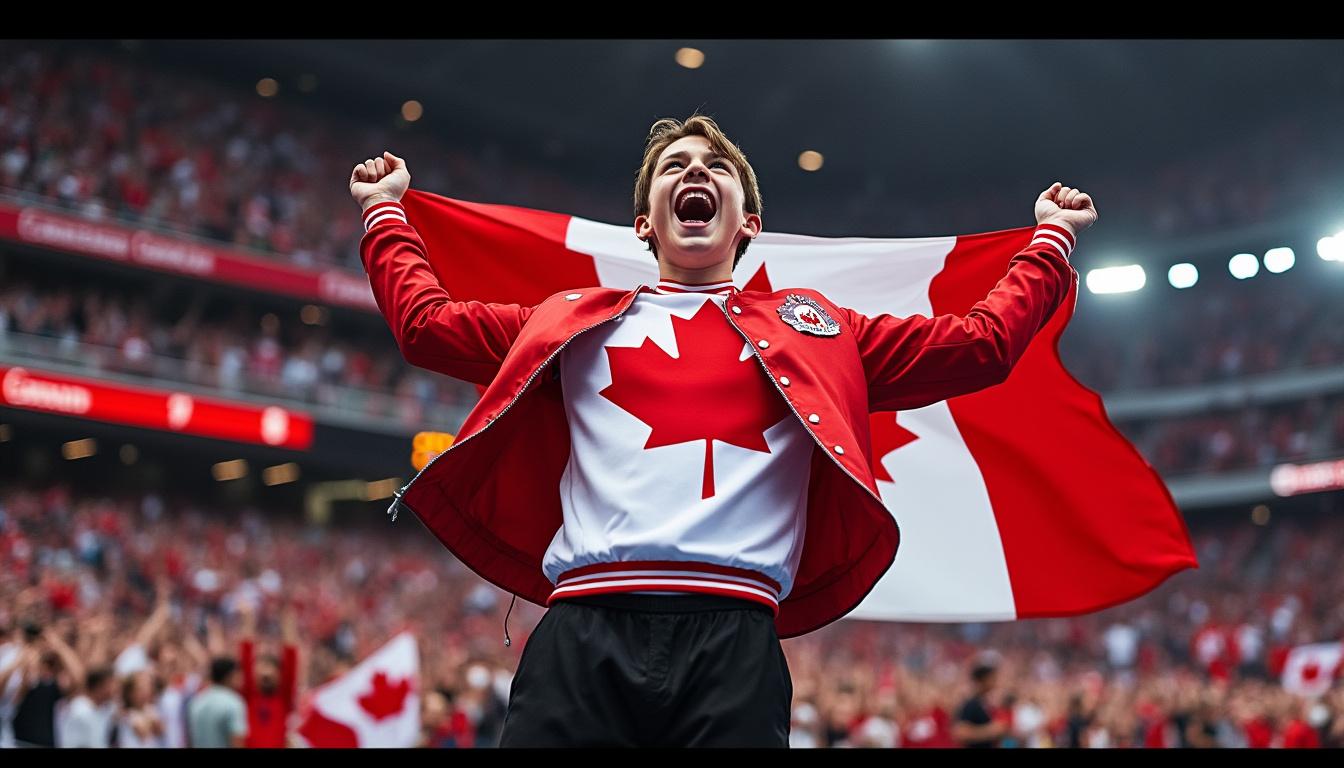
The recent controversy involving Noah Schnapp has sparked a social media frenzy, drawing attention to the complexities of identity and nationalism in sports. The US-born star of Stranger Things, known for his role as Will Byers, was seen donning a Canadian jersey while cheering enthusiastically for Team Canada during the men’s hockey gold medal match at the 2026 Olympics. This event culminated in a nail-biting showdown against the US team, which ultimately secured victory with a score of 2-1, marking the US’s first gold medal in hockey since 1980.
Schnapp’s actions ignited an outpouring of backlash from certain sections of the American public, largely fueled by a sense of betrayal felt by some fans. They redirected their critique toward Schnapp, questioning his allegiance due to his dual citizenship and family ties to Canada. Several comments online indicated that many were surprised a US-born celebrity would support Canada over their home country, with critics asserting that it reflected a broader issue of loyalty and identity.
Social media reactions varied widely, with some users outright condemning Schnapp for his apparent preference for another country. One user tweeted, “He is exactly what is wrong with the US,” showcasing the harsh sentiment that often accompanies perceived disloyalty during high-stakes sporting events. In contrast to this negative sentiment, there were equally vocal proponents who applauded Schnapp for embracing his Canadian heritage, echoing sentiments that *sportsmanship* transcends national boundaries.
But what leads to such a passionate divide over a celebrity’s choice to root for another country’s team? The Olympic Games have long been a stage for national pride, where athletes represent their countries in hopes of glory. Schnapp’s decision challenges the notions of nationalism in sports, presenting a narrative that is increasingly common in an era of dual national identities.
Understanding Dual Citizenship and National Identity
Dual citizenship can often muddy the waters of national identity, particularly in the context of something as passionate as international sports events. Noah Schnapp, born in New York City, has deep familial roots in Canada, with both of his parents hailing from Montreal. This intertwining of identities provides a unique perspective on his allegiance during the Olympics.
Holding dual citizenship allows individuals to partake in the cultural and social benefits of both nations. For Schnapp, his upbringing appears to be marked by a blend of American and Canadian influences, manifesting in his love for hockey and his support for the Montreal Canadiens, as he noted in a 2017 interview. Such complexities highlight that national loyalty is not always black and white; emotional attachments to multiple locations can create conflicts, especially in a competitive setting like the Olympics.
The broadening acceptance of dual citizenship reflects global migration patterns and increased cultural exchanges. Many individuals now find themselves rooting for teams across borders, leading to a more fluid expression of national loyalty. This phenomenon, however, doesn’t excuse the trolling and backlash that celebrities often face when they express their support for a nation other than their birthplace. In Schnapp’s case, this backlash may not only stem from a sense of betrayal but also highlight a larger societal struggle with inclusivity and acceptance of multiple identities.
The Role of Social Media in Shaping Public Perception
The voice of the public has proliferated with the advent of social media platforms like Twitter and Instagram, where opinions can be shared instantly and broadly. Noah Schnapp’s situation exemplifies how quickly narratives can shift in the digital age. Following his appearance at the Olympics, social media became a battleground where opposing views clashed, revealing both the support and criticism he garnered.
For many, the instant access to platforms allows for close engagement in celebrity actions and corresponding reactions. In Schnapp’s case, fans were quick to express their discontent at what they saw as an act of betrayal while others stood up for his right to celebrate his heritage. This dichotomy not only reflects strong sentiments surrounding nationality but also emphasizes how quickly divisive views can gain traction online.
This polarization is nearly unavoidable in a debate that touches on sports, nationalism, and identity. While some commenters criticized him, labeling him a “jinx” for Canada, others defended his right to cheer for the team of his choice, asserting that support doesn’t require citizenship. As one user pointed out, “You don’t have to be Canadian to support their team,” advocating for a broader understanding of sportsmanship in today’s interconnected world.
The rapid-fire commentary exemplifies the need for celebrities to navigate complex terrains of public opinion, often scrutinizing every choice they make. Celebrities like Schnapp, with massive followings, must contend with heightened expectations about their responses to national loyalty, further complicating the landscape of celebrity culture.
Analyzing the Impact of Sports on National Identity
Sports have long served as a vehicle for expressing and reinforcing national identity. The Olympics, by their nature, cultivate feelings of rivalry and pride, encouraging fans to rally behind their home country. For many, this sentiment is so strong that any deviation from expected behavior, as seen in the case of Noah Schnapp, is met with outrage.
This relationship between sports and national identity can be traced back through history—particularly during the Cold War, where victories in sports were often framed as victories of ideological superiority. The fervor surrounding international competitions still resonates, as demonstrated in recent sports events where national pride takes center stage.
The reaction to Schnapp’s support for Canada raises questions about how tightly intertwined national identity and sports affiliation really are. Those in the US may feel betrayed by a celebrity cheering for another country, prompting discussions around collective versus individual identity. For Schnapp, this intersection of personal background and public expectation creates a complex narrative where his actions can be simultaneously celebrated and scorned.
It is worth noting that the very spirit of the Olympics emphasizes friendship, respect, and understanding across borders, challenging conventional notions of loyalty. As scandals and controversies unfold, the environment may foster personal connections that transcend national lines, ultimately contributing to a richer global tapestry.
Celebrity, Loyalty, and the Boundaries of Acceptance
Noah Schnapp’s experience touches on fundamental questions about celebrity culture, loyalty, and the boundaries of acceptance in sports. It raises an important point concerning the expectations placed upon public figures to represent particular viewpoints or affiliations. The backlash he faced serves as a reminder that the public often demands conformity, even when unique personal stories challenge traditional narratives.
In a world where social media amplifies voices, celebrities can become scapegoats for broader societal tensions. As Schnapp faced backlash for cheering on Canada, it becomes evident that cultural narratives around sports often collide with individual experiences of identity. His dual citizenship and connections to both countries underscore the multifaceted nature of national allegiance in the modern world. It illustrates how celebrities can find themselves at the intersection of their professional commitments and personal backgrounds.
While some might argue that athletes and celebrities should be unequivocally loyal to one nation, this expectation often fails to account for the complex realities of identity and global citizenship. The backlash against Schnapp also illustrates how society grapples with evolving ideas around belonging and acceptance, especially as cultural identities grow more nuanced.
Ultimately, the dialogues sparked by events like these provide an opportunity for a deeper exploration of cultural identity, patriotism, and the interplay between personal heritage and public persona.
| Category | Reactions | Public Sentiment |
|---|---|---|
| Support for Schnapp | “You don’t have to be Canadian to support their team” | Positive, inclusive |
| Criticism of Schnapp | “He is exactly what is wrong with the US” | Negative, nationalistic |
| Neutral Observations | “It’s cool to see him embracing his heritage” | Balanced, reflective |