
Exploring the Unique Mythology of Whistle
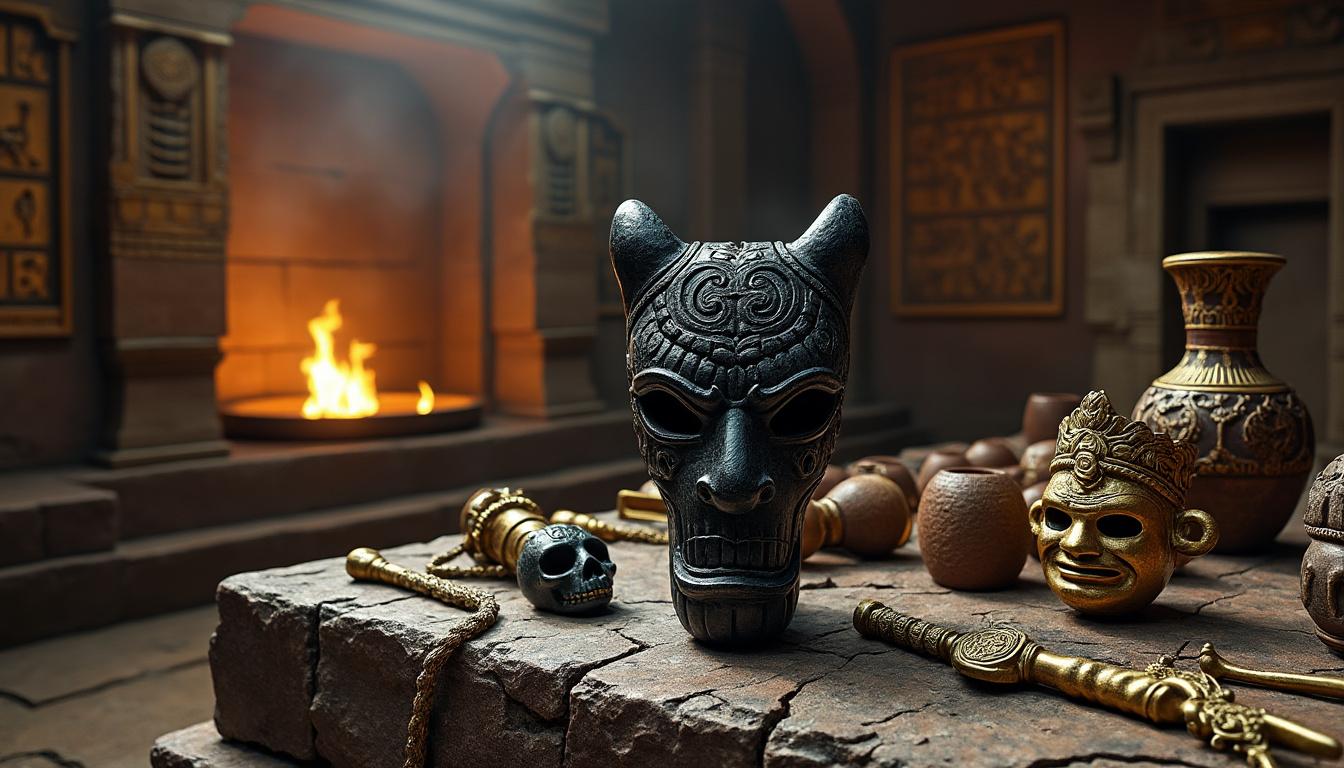
Whistle, directed by Corin Hardy, introduces audiences to a chilling yet imaginative horror story centered around an ancient Aztec artifact: the Death Whistle. This distinctive object, a key element of the film, serves as a conduit for the characters’ impending doom. The film follows a misfit group of high school students who inadvertently activate the whistle, unleashing a series of gruesome deaths that are both shocking and fascinating.
The internal logic of this mythos is what makes Whistle stand out in the crowded horror genre. The film plays upon the idea that the sound of the whistle summons one’s future death, offering a chilling twist where the characters grapple with their mortality. According to Corin Hardy, this unique blend of mythology and horror was immediately captivating upon reading the script. The director expressed how this concept diverges from traditional cursed object narratives, such as those seen in films like The Ring or Hellraiser.
This examination of mortality is not just a backdrop; it serves as a key component of the characters’ development. Each death feels inevitable yet strangely poetic, forcing the teenage protagonists to confront their fears head-on. The element of escalating tension is evident, as the characters’ race against time intensifies with each death. Audiences can expect to be both horrified and captivated as they navigate the complexities of youth, friendship, and impending doom.
Character Dynamics and Relationships
At the heart of Whistle lies a diverse group of characters, each bringing unique perspectives and backgrounds that enhance the narrative. The dynamic between protagonists like Sophie Nélisse’s Ellie and Dafne Keen’s Chrys is particularly compelling. Their relationship evolves throughout the story, encapsulating a blend of camaraderie and urgent survival instincts despite the horrific circumstances they face.
Sophie Nélisse describes the initial impression of their characters as fun and quirky, creating a relatable atmosphere before the brutality unfolds. This juxtaposition is significant because it allows viewers to root for the characters, making their subsequent peril more impactful. As each character faces gruesome deaths, the audience is reminded of the harrowing consequences of the Death Whistle.
This relationship development is not merely a passive backstory; it drives the plot and heightens the emotional stakes. As Ellie and Chrys confront their fears, they also uncover the depths of their feelings for each other. This unique build-up contrasts sharply with the impending deaths, showcasing how trauma often reveals the truest aspects of human nature.
The emotional depth of the characters, especially as they encounter their dark sides, adds layers to the horror experienced in Whistle. The film artfully interweaves romantic elements with horror, culminating in a balance that makes the audience invested in their fate. Viewers will find themselves rooting not just for survival, but for the characters to reciprocate their feelings amidst the chaos.
The Artistic Approach to Death Scenes
In the realm of horror films, death scenes are critical to establishing atmosphere and tension. Whistle exceeds expectations with its creatively gruesome death sequences that elicit a range of reactions from the audience. Each scene is designed not just to shock, but to narrate, providing viewers with a “menu” of death that is unique to the story.
Corin Hardy, as a lifelong horror aficionado, brings a wealth of knowledge to the creation of these scenes. Drawing inspiration from various genre classics, he aims to deliver something fresh. This artistic approach ensures that each death presents a twist, often relating to the characters’ individual struggles or fears. The anticipation surrounding these moments is crafted to evoke both thrill and dread.
The car crash scene, in particular, stands out as an inventive addition to the film’s death repertoire. Hardy points out that each death had to be tailored to the characteristics of the victims, ensuring unpredictability that keeps audiences on edge. The unique situations in which characters meet their demise fuel discussions about fate and the consequences of their choices.
| Death Scene | Description |
|---|---|
| Car Crash | A suspenseful sequence that defies typical cinematic portrayals of road accidents, leaving a lasting impact. |
| Whistle Summoning | The terrifying sound of the Death Whistle alerts characters to their doom, escalating tension throughout the film. |
| Brutal Downfall | Shocking scenes where characters face gruesome fates force audiences to grapple with the randomness of mortality. |
The emotional weight carried by these deaths is not lost on the audience. As each character falls, it serves as a somber commentary on life’s fragility, pushing home the narrative’s focus on mortality. Ultimately, these death scenes add a visceral element that speaks to both the horror genre and the character arcs present in Whistle.
Romance Amidst Horror: The Relationship of Ellie and Chrys
Amidst the unfolding nightmare, the relationship between Ellie and Chrys sheds light on the more tender aspects of the story. Their bond, forged under extreme circumstances, highlights a fresh take on teen romance in the horror genre. Sophie Nélisse notes that this relationship stands out due to the immediate honesty both characters must face, revealing their vulnerabilities as they confront terrifying situations together.
This exploration of romance amidst horror is a captivating juxtaposition, providing needed levity in an otherwise ominous narrative. Unlike typical love stories that have a gradual build-up, Ellie and Chrys’ connection is fast-tracked by their experiences. Such an approach reflects real-life situations where trauma often accelerates emotional bonds between individuals.
The tale of Ellie and Chrys offers viewers a glimpse of optimism and hope, illustrating that love can flourish even in dire circumstances. As Hardy emphasizes, the characters embody a yin-yang dynamic, complementing each other’s strengths and weaknesses. Their relationship serves as a powerful counterpoint to the grisly nature of the deaths surrounding them, creating an essential balance in the film.
The Significance of Imaginative Storytelling in Whistle
Whistle not only presents a harrowing tale of survival but also delves into the heart of imaginative storytelling within the horror genre. Hardy’s vision for the film embraces mythologically rooted horror while allowing for character exploration and emotional resonance. This unique narrative structure invites viewers to engage with the story on deeper levels, prompting a reevaluation of traditional horror tropes.
The connection between the characters’ arcs and the overarching theme of mortality underscores the film’s thoughtful approach to storytelling. By balancing horror with heart, Whistle offers something more than just terrifying visuals; it crafts a tapestry of human experience amidst chaos. The film encourages introspection about life, death, love, and what it means to truly live.
Whistle’s influence extends beyond mere scares. It prompts discussions about Western interpretations of ancient cultures and the consequences of misusing such artifacts. By involving elements that touch on real-world themes, the film compels viewers to consider their takeaways as they walk away from the cinema.
With Whistle set to release exclusively in theaters on February 6, anticipation continues to build. The film’s mixture of striking death scenes, engaging character dynamics, and a haunting examination of mortality will undoubtedly leave a lasting impression. As the story unfolds, both horror enthusiasts and casual viewers alike will find themselves intertwined in the chilling yet imaginative world crafted by Corin Hardy and his talented cast.