
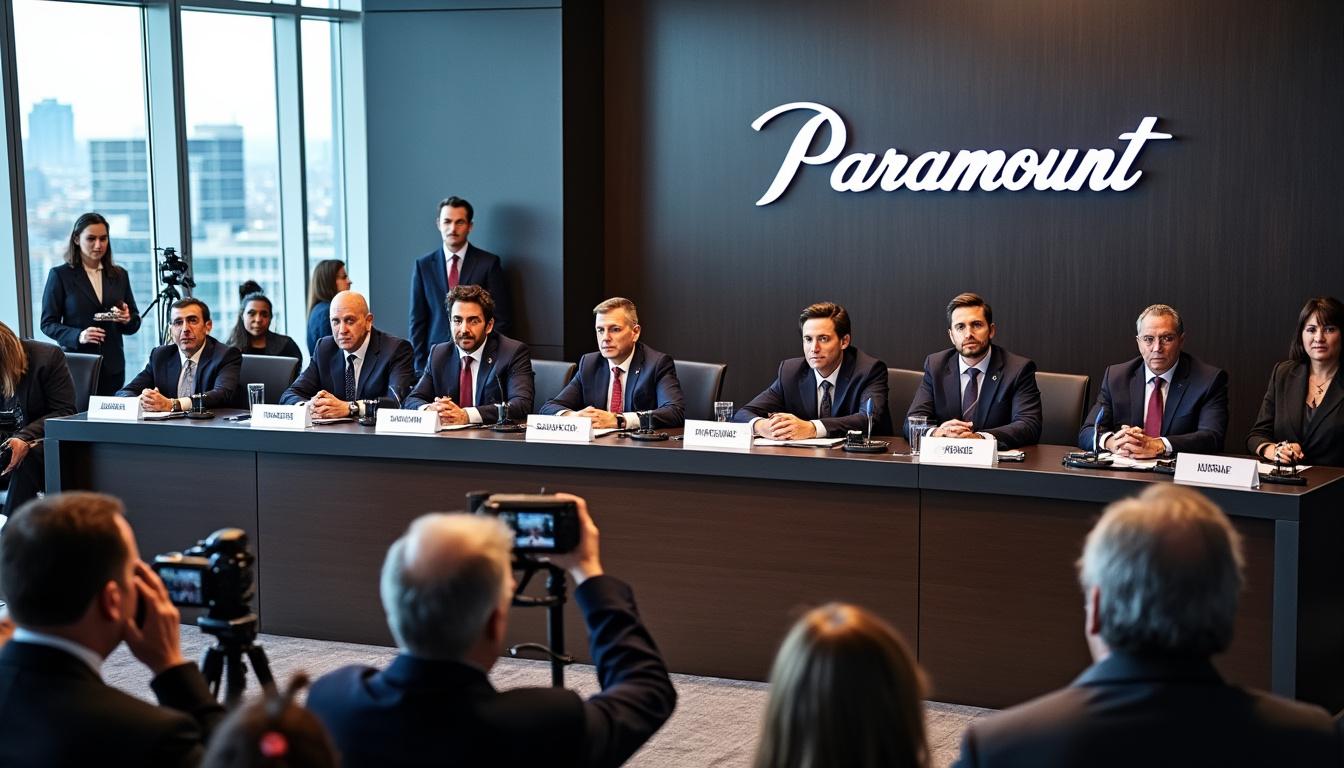
Paramount’s Response to Industry Criticism Regarding the WBD Merger
Recent months have seen heightened scrutiny surrounding Paramount’s proposed merger with Warner Bros. Discovery (WBD). This scrutiny intensified significantly after a powerful open letter was circulated, signed by over 1,000 prominent figures in the film and television industry. Notably, actor and activist Mark Ruffalo emerged as a vocal opponent of the merger, expressing concerns about the implications for creativity and diversity in media. In response, Paramount has publicly defended its position, asserting that the merger will, contrary to criticism, foster greater innovation and opportunity within the entertainment sector.
According to Paramount, their merger aims to combine the “complementary strengths” of both entities to create a powerhouse capable of greenlighting an increased number of ambitious projects. The company emphasized a commitment to raising production levels to produce at least 30 feature films annually, ensuring robust theatrical releases, and maintaining a commitment to independent creative leadership for established brands.
This promised expansion of production is especially noteworthy in a time where streaming services and film studios are increasingly merging in the quest for market supremacy. The Hollywood landscape is shifting rapidly, and corporate strategies are evolving to accommodate consumer demands and technological advancements. Paramount’s argument centers on the idea that increasing collaborative opportunities through this merger will enhance artistic endeavors rather than limit them.
Key Concerns of the Criticism
While Paramount’s assertions aim to portray an optimistic future for creators, the concerns articulated by the critics remain substantial. The open letter from industry professionals, which included signatures from notable figures such as Lin-Manuel Miranda, David Fincher, and Joaquin Phoenix, articulated fears that the merger could overly concentrate power among a select few corporations. This concentration could overshadow diverse voices and limit creative avenues for less mainstream narratives.
The apprehension about centralizing power is rooted in past instances of media consolidation that have historically reduced consumer choices and led to homogenized content. Critics argue that a merger of this magnitude could exacerbate these issues, diminishing the vibrancy and diversity that have long characterized the film and television industries. Moreover, the concern about prioritizing the interests of powerful stakeholders over those of the public remains a prevalent theme in the discussions.
- Critics doubt the promises of increased production, citing potential budgetary constraints and profit-driven motives that often limit creative endeavors.
- The fear that independent filmmakers could lose their platform and ability to showcase unique stories is palpable among many dissenting voices.
- Moreover, the idea of a merged entity stifling competition raises alarms, as it could lead to fewer opportunities for smaller studios and emerging creators.
Mark Ruffalo’s Involvement and Public Sentiment
As part of the broader narrative, Mark Ruffalo has emerged as a major figure calling attention to these potential ramifications. His concerns underscore a prevailing sentiment within parts of the industry regarding corporate takeovers. In various statements, he has emphasized the need for vigilance against monopolization in the entertainment sector.
Ruffalo’s activism has taken many forms, notably through social media platforms where he has urged government intervention in favor of protecting the interests of the public and the artistic community. His critical stance aligns with that of many industry insiders who worry that the merger could potentially stifle creativity in favor of profitability and mass appeal.
Moreover, his critique is not confined merely to Paramount and WBD; it extends to all major media consolidation efforts that threaten to diminish artistic integrity in the entertainment industry. His activism raises essential questions about the balance between corporate interests and public good, serving as a reminder of the need for accountability among major media players.
The Broader Impact on the Film Industry
The potential merger is also a touchpoint for discussions surrounding the evolving landscape of the film industry at large. In recent years, large media companies have rapidly consolidated to harness market power better, leading to a monopolization effect that many claim is detrimental to creative diversity. The combo of Paramount and WBD could signify an alarming trend for consumers and creators alike.
Those against the merger worry that this will only encourage further consolidation. They argue that as major studios grow, they are less likely to take creative risks or invest in innovative storytelling. This could ultimately result in a wider reach for only a select number of films, leaving diverse narratives sidelined. Furthermore, this trend might limit the autonomy of independent filmmakers who rely on a variety of distribution channels to reach audiences.
As the debate continues, the industry must grapple with the implications of merging significant media entities. Some industry analysts argue that for creators to thrive, a multitude of avenues need to exist. Increasingly, there is a call for preserving spaces within the commercial landscape where independent voices can flourish.
| Key Figures Opposing the WBD Merger | Notable Contributions |
|---|---|
| Mark Ruffalo | Vocal criticism against media monopolization; calls for government intervention. |
| Kristen Stewart | Voiced concerns over the diminishing opportunities for diverse filmmakers. |
| David Fincher | Highlighting the risks of homogenized content in commercial cinema. |
| Denis Villeneuve | Advocating for maintaining the integrity of storytelling in cinema. |
Paramount’s Proposed Vision for the Merge
In the face of this substantial opposition, Paramount’s vision for the merger remains optimistic. The company promises that the merger will lead to an unprecedented commitment to creative endeavors by supporting a broader variety of projects. Paramount has boldly claimed that it aims not only to sustain existing productions but also to enhance the potential for new ideas and voices to emerge.
The studio has outlined specific initiatives intended to ensure that the merger meets the needs of the artistic community. This includes maintaining full licensing agreements across various platforms and continuing to showcase established brands under their respective creative leadership. Paramount’s goal is to extend production timelines and invest in filmmakers at all stages of their careers. This commitment is crucial, especially in an industry where many creators often find it challenging to secure backing for their passion projects.
Moreover, Paramount has emphasized a collaborative culture that encourages diverse storytelling. The pledge to provide creatives with more avenues rather than fewer is reiterated throughout their messaging. However, the challenge lies in translating these promises into practice, especially as the merger shapes the future landscape of the entertainment industry.
Public Relations Endeavors to Reassure the Community
It is evident that Paramount’s public relations strategy is an essential part of addressing the growing unease among the creative community. The studio is keenly aware of the perception that mergers can often lead to the degradation of artistic values. As a result, they have embarked on a campaign to reinforce their commitment to maintaining creative integrity amid corporate changes.
This campaign involves actively engaging with industry professionals and addressing their concerns directly. Paramount has sought to open dialogue with dissenters, emphasizing that the merger does not signify a retreat from individual creativity but rather a pathway toward enriched collaboration.
As the parameters surrounding corporate strategy continue to evolve, Paramount’s response will undoubtedly remain a focal point in the broader discourse on media consolidation. The entertainment industry stands at a crossroads where issues of power, creativity, and consumer choice come to the foreground, prompting critical conversations about the future of storytelling.